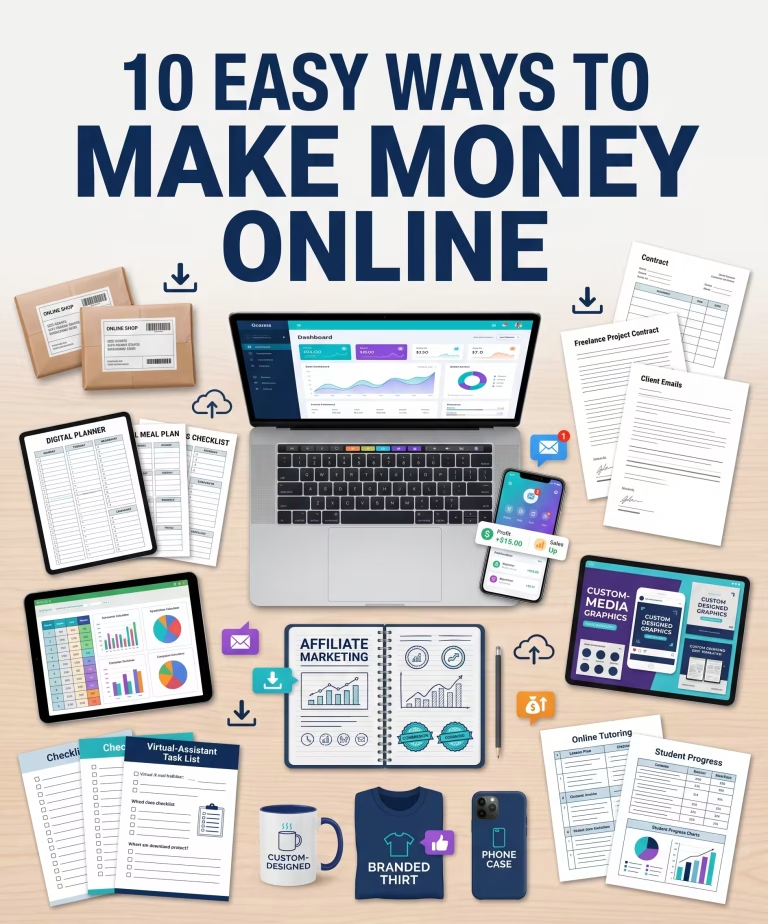


Finding online side hustles is easy. Finding one that fits around a full-time job, without taking over every evening, needs a little more thought.
The best starting point is a small offer you can deliver reliably with the time, skills and budget you already have.
That might mean improving product listings for another seller, creating useful downloadable templates or building a specialist website over time.
In this guide, I’ll walk through seven practical options, explain where the work really sits and suggest a small first test for each. None guarantees an income, but each gives you something specific to build and improve.
Choose a side hustle that fits your actual week

Before choosing, write down the hours you can consistently protect. Three focused sessions each week are a better foundation than a plan that depends on working every night.
The time and budget suggestions below are planning estimates for a small trial, not market averages or earnings forecasts.
They assume you already have a suitable computer and internet connection; paid tools, platform charges and equipment can increase costs.
If you need to test paid demand quickly, I would start with a clearly defined service.
If you prefer building something reusable and can tolerate a longer period without sales, a digital product or content business may suit you better.
1. Offer a focused freelance service
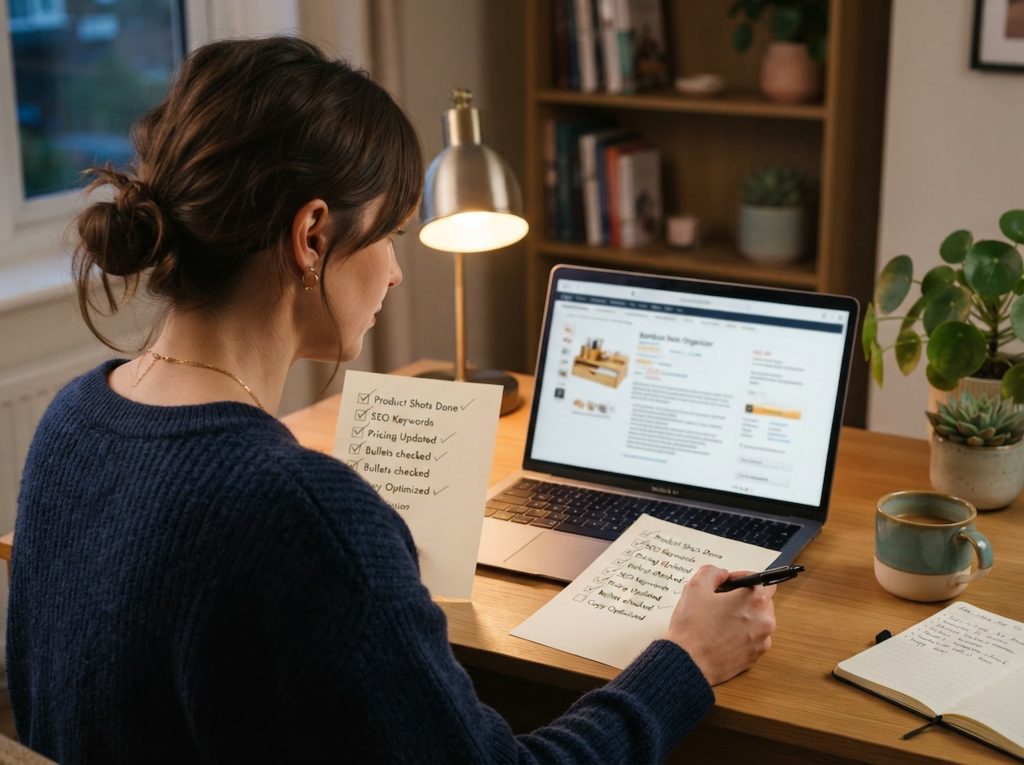
A freelance service means completing a specific piece of work for a client. For someone with a day job, a small project with a clear deadline is usually easier to manage than an open-ended promise to help with everything.
Examples include proofreading product descriptions, formatting a newsletter, cleaning up a spreadsheet or turning a business owner’s notes into a polished article.
Choose work you can already perform competently and show with a sample.
Start with one deliverable
An offer such as “I will proofread five product descriptions and return an edited document within three working days” is easier to understand than “I offer business support”.
State the word limit, what is included, the number of revisions and what the client must provide.
Create two original examples using fictional businesses, clearly labelled as samples. Then look for suitable projects on a freelance marketplace or through relevant professional contacts, checking fees and rules before joining.
Plan around four to six hours a week for an initial test, including finding work and answering messages. You can trial a basic writing or administration service with free tools; use a £0–£50 spending cap to prevent unnecessary subscriptions.
Check Your Profits Before You List
Calculate marketplace fees, product costs and estimated profit in seconds. Free to use, with no signup required.
Keep the workload profitable
For illustration, a £75 project that takes three hours produces £25 per hour before costs and tax. If pitching, messages and revisions add another two hours, that falls to £15 per hour before costs and tax.
Those figures are arithmetic examples, not suggested market rates.
Your first milestone is one paid project delivered within its agreed scope. Record all the time involved before deciding whether to repeat the offer.
2. Sell original digital downloads
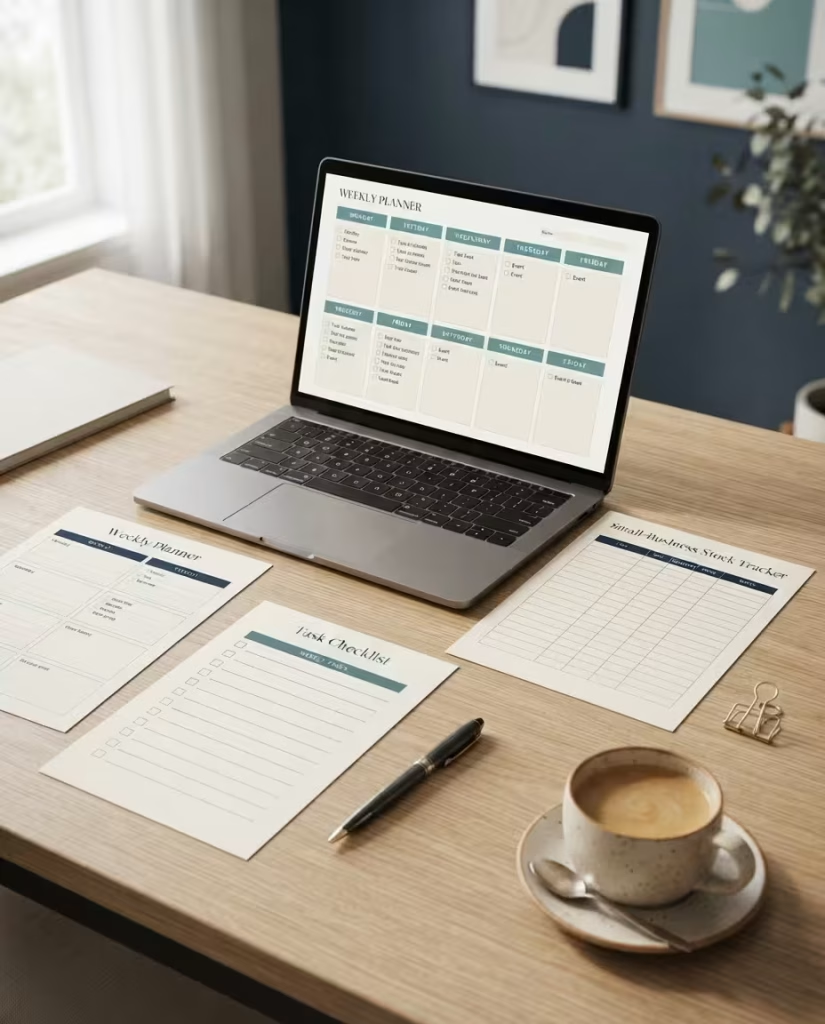
Digital downloads are files customers buy and use themselves. Useful examples include stock trackers, weekly planners, hobby checklists and editable business worksheets.
They fit around employment because you can create the file in stages and deliver it digitally. However, product research, clear instructions, promotion and customer questions still require attention.
Solve one narrow problem
Instead of making a generic planner, consider a stock-check worksheet for a small craft stall or a packing checklist for travelling with a baby. A specific use makes it easier to explain the value and find relevant buyers.
Ask a few potential users what they currently find awkward. Create one product, test every field or formula, and give the buyer a short instruction sheet showing exactly how to use it.
Allow roughly four to six hours a week during your first month and set a small trial budget, perhaps £0–£50 before marketplace charges. Avoid buying lots of design assets before validating the idea.
Create work you are entitled to sell
If you use Etsy, its Creativity Standards allow digital downloads of a seller’s original designs.
Check the commercial licence for any fonts, graphics or software assets you include; access to an asset does not automatically mean you may redistribute it inside a template.
Make file formats and editing requirements clear in the listing. Do not describe a spreadsheet as compatible with software you have not tested.
Your first milestone is feedback from several target users and a product that someone outside your immediate circle is willing to buy. A large catalogue can wait.
3. Provide product-listing support for online sellers
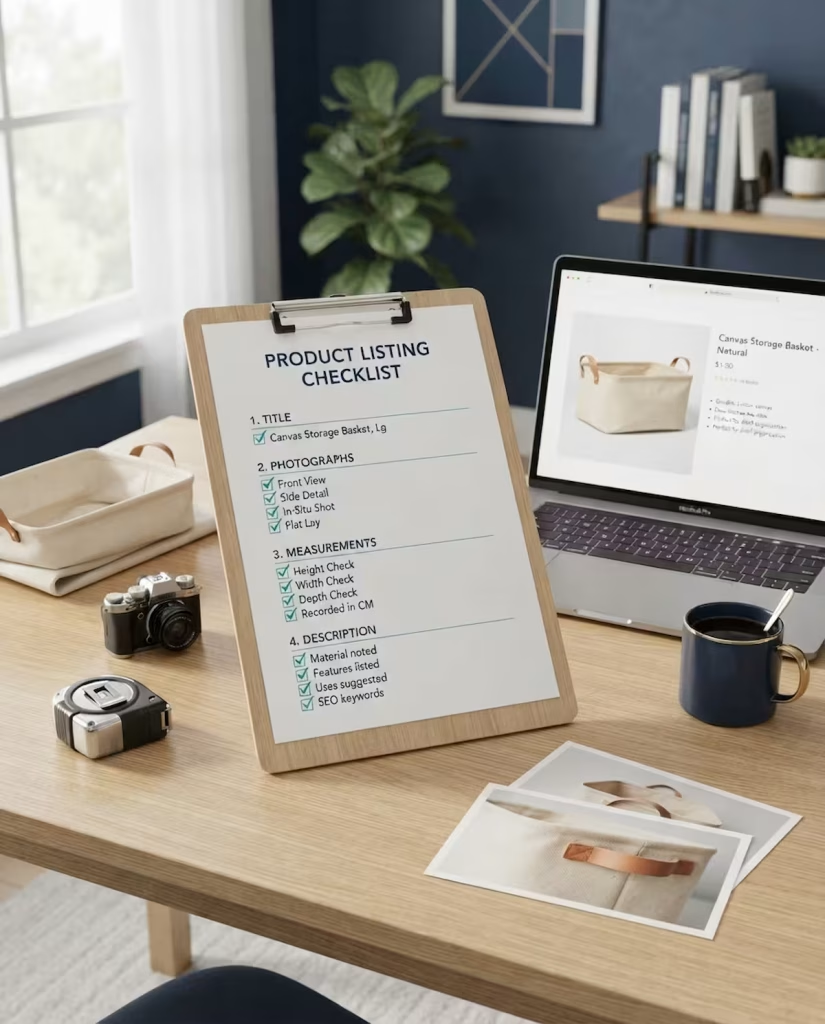
Online sellers often have useful products but limited time to organise the information customers need.
You can offer a focused service that prepares clearer listing drafts from the seller’s own product details.
This could include rewriting descriptions, organising measurements, identifying missing information or suggesting a better sequence for existing photographs.
It is a particularly relevant option if you already understand online selling.
Package the work into a manageable batch
Start with something like “five listing drafts supplied in a document”. Ask the client for accurate specifications, approved claims and photographs they own or have permission to use.
Prepare one original before-and-after sample using a fictional product.
Explain what you improved, such as making dimensions easier to find, rather than claiming your wording will guarantee rankings or sales.
A trial might take four to six hours per week with a £0–£50 tool budget.
Delivery in a document keeps the first project straightforward because the client can review and upload the changes themselves.
Test your website speed
Check your PageSpeed score, Core Web Vitals and the improvements that could make your website faster.
Protect accuracy and account access
Do not invent certifications, compatibility statements or product benefits. AI can help organise a draft, but you remain responsible for checking the output against the information provided.
If a later client asks you to edit inside their account, use the platform’s authorised access options and agree the permitted changes.
Keep confidential business information out of AI tools unless the client has approved that use.
Your first milestone is one batch accepted with a manageable amount of revision. Use that experience to refine your briefing questions and delivery time.
4. Build a small online resale business
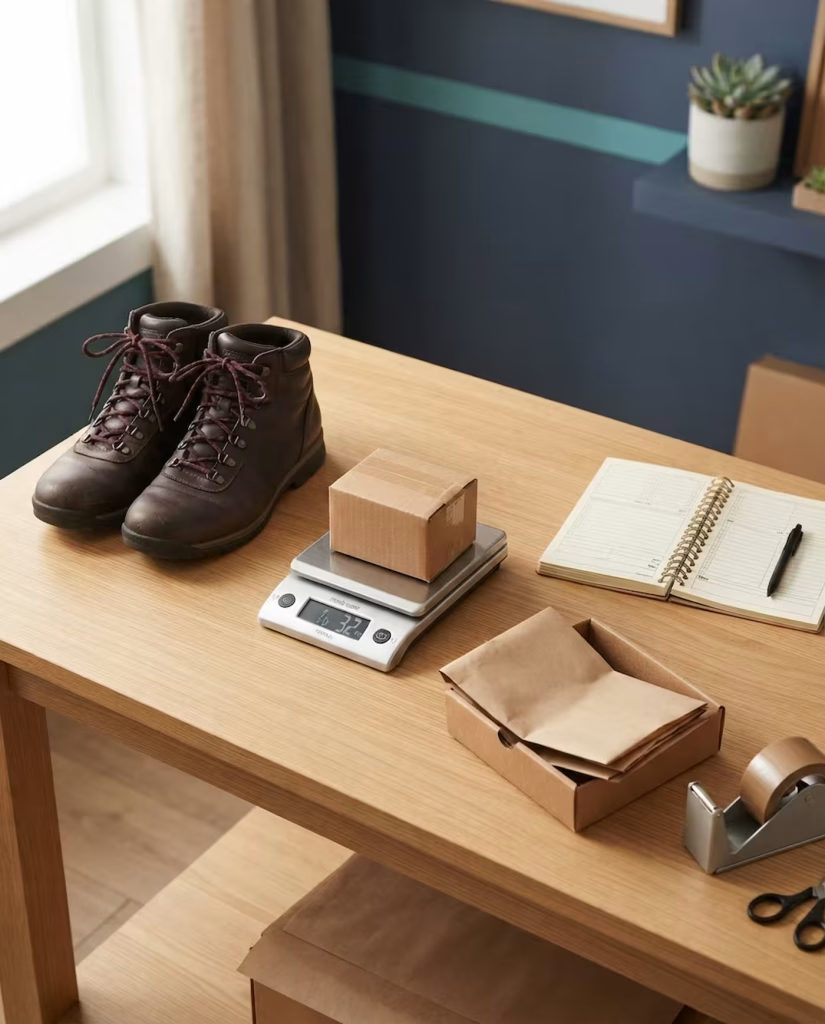
Reselling involves buying suitable items and selling them for more than the total cost of acquiring and supplying them. It can suit evenings and weekends, but packing, dispatch and buyer messages create work between listing sessions.
Choose a category you understand and can store safely.
Small, easy-to-inspect items are simpler to test than bulky products or goods with complicated safety and authenticity questions.
Learn the process before buying stock
Selling a few unwanted possessions can help you practise photography, descriptions and packing. That practice is different from deliberately buying goods to resell as a business.
Before purchasing stock, look at completed sales where available and compare condition, postage and demand. Asking prices alone do not tell you what buyers actually pay.
Start with a strict stock budget, perhaps £50–£150 you can afford to have tied up, and allow five to seven hours per week. Check that your dispatch promises fit your commute and local parcel drop-off arrangements.
Work out profit before placing an order
As an illustration, a £25 sale minus £8 stock cost, £4 postage, £1 packaging and £3 selling costs leaves £9 before other expenses and tax. Your actual fees and postage will vary, and refunds or damaged items can reduce the result.
Use the Seller Success eBay Profit Calculator as a planning aid and check its inputs against the charges that apply to your own account and category.
Your first milestone is a small batch sold at a genuine profit after costs. Avoid reinvesting in a bigger batch until you understand sell-through time and the work required.
5. Offer a monthly social-content package
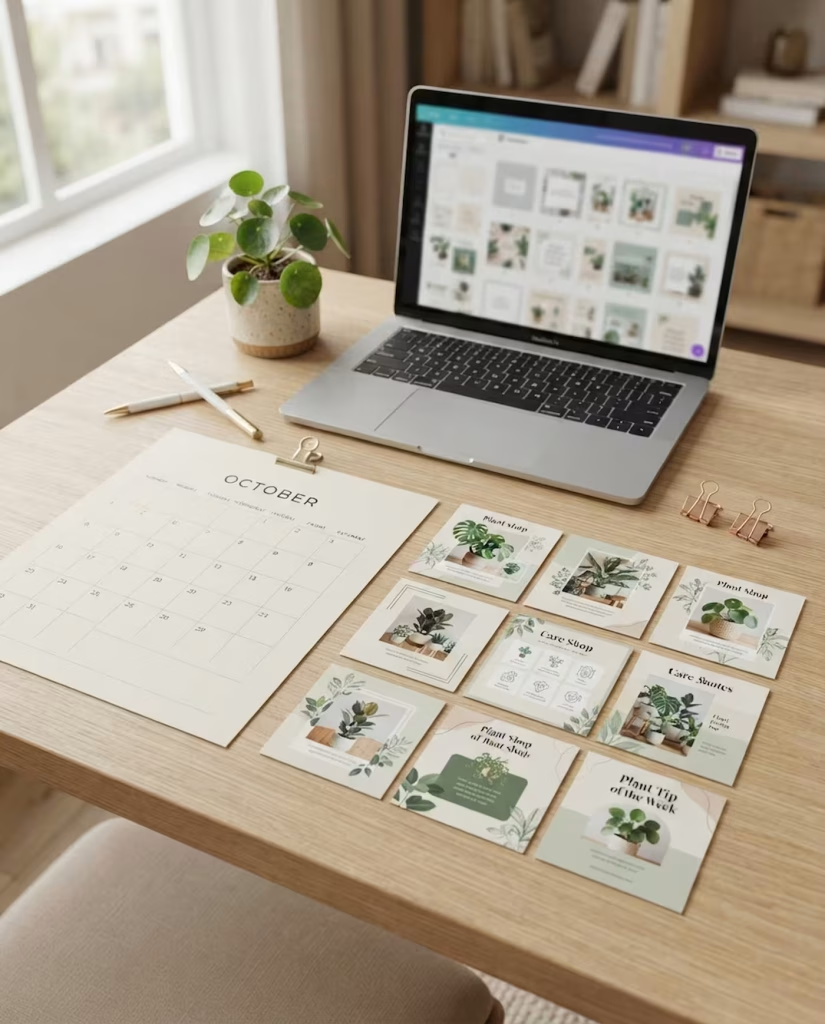
Some small businesses need help preparing a consistent batch of social posts. A limited monthly package can fit around a full-time job because you can plan, write and design the content together.
Keep the initial offer specific: for example, eight static graphics with captions for one platform, based on material the client supplies.
Daily community management and urgent replies are a separate commitment.
Choose one kind of customer
A narrow audience, such as independent pet groomers or local craft businesses, makes it easier to create relevant samples. Build three example posts that demonstrate clear information, readable design and a suitable tone.
Agree a monthly briefing date, approval deadline, revision allowance and delivery date. The business should confirm prices, promotions and factual claims before anything goes live.
Plan for four to six hours a week for one small trial client and a £0–£50 initial tool budget.
Check whether any scheduling or premium design features you need carry additional charges.
Sell the deliverable clearly
You can promise the agreed content package, but you cannot guarantee followers, enquiries or sales. Specify whether your fee covers files only, scheduling, reporting or all three.
Use client-supplied or properly licensed images, and avoid building a package that requires you to respond during your paid working hours. Your first milestone is one month delivered on time with a client willing to renew.
Check Your Profits Before You List
Calculate marketplace fees, product costs and estimated profit in seconds. Free to use, with no signup required.
6. Build a niche affiliate website
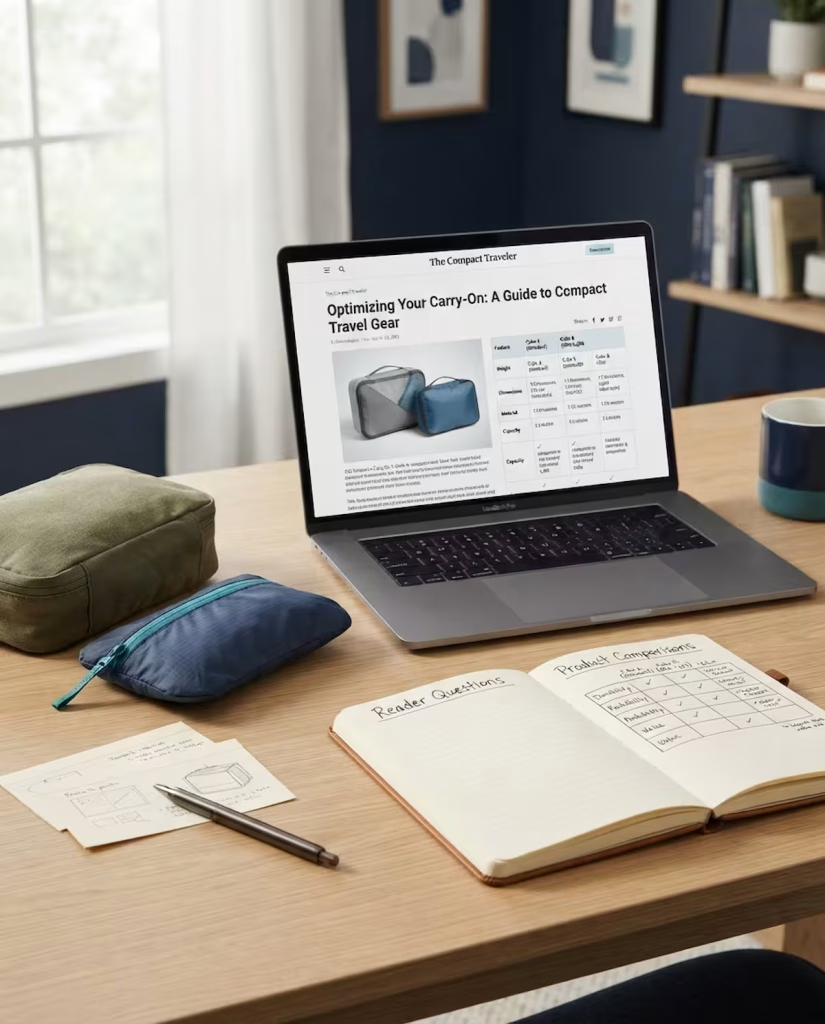
Affiliate marketing means earning a commission when a visitor completes a qualifying action through your referral link. A small website can fit around employment because research and writing can be done in planned sessions.
The trade-off is patience. Publishing articles does not guarantee traffic, programme acceptance or commission, and a new site may earn nothing while you develop it.
Pick a subject you can cover usefully
Choose a defined audience with practical questions you can answer accurately. Examples include equipment for a particular hobby, travel organisation for families or tools for a specific type of small business.
Start with helpful tutorials and considered comparisons. Explain who a product suits, its limitations and the basis for your assessment; never imply you personally tested something when you did not.
Allow five to eight hours a week if you want time for research, writing, updates and promotion. Set a provisional £50–£150 website trial budget, then check domain, hosting and renewal costs before committing.
Build trust before chasing commission
Affiliate terms differ, including commission rates, qualifying purchases and payment conditions. Read the terms of each programme and make commercial content obvious before readers engage with it, following ASA guidance on affiliate advertising.
A useful early milestone is a small collection of accurate articles attracting relevant readers and some referral clicks. Treat income as an outcome to measure, not something the publishing schedule guarantees.
7. Test a small print-on-demand range
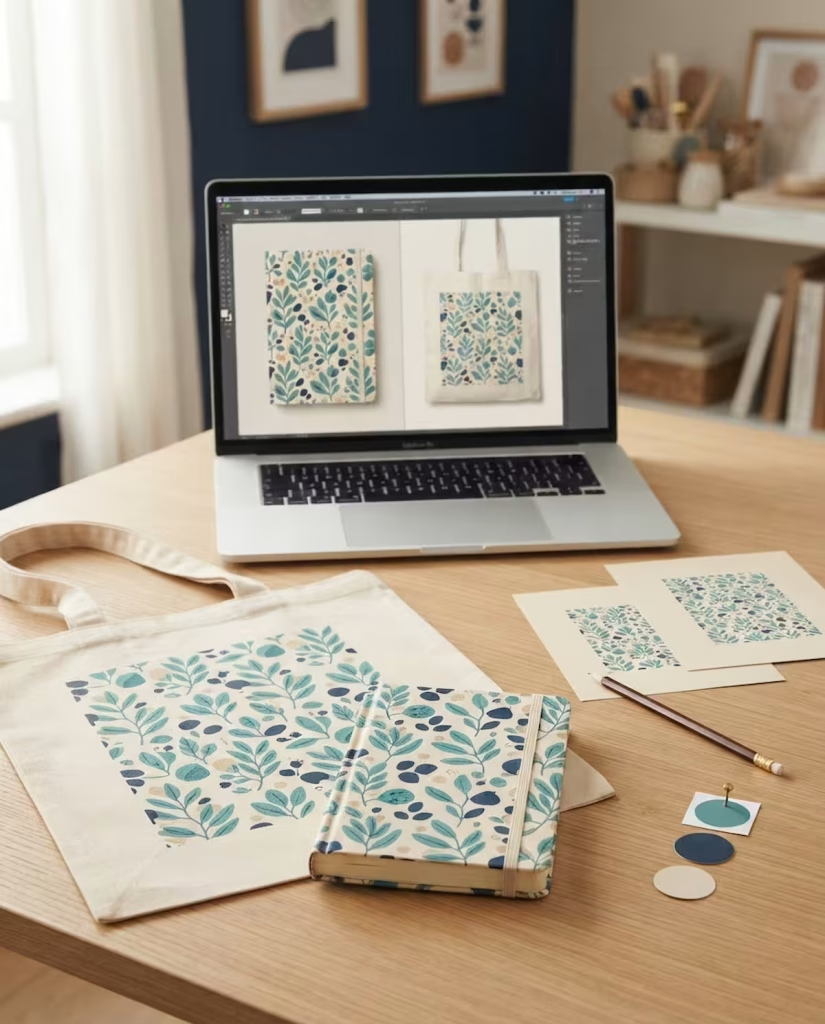
With print on demand, a production partner makes an item after it is ordered. You supply the design and manage the selling side, while the agreed service handles production and usually dispatch.
This reduces the need to hold finished stock, but it does not remove product costs, customer service or responsibility for the promises in your listing. You may also need enough cash to pay the supplier before a marketplace releases your sale proceeds.
Start with one audience and one product
Rather than uploading dozens of unrelated slogans, create three original designs for a clearly defined audience. Choose one product type and order a sample to check print quality, sizing where relevant, packaging and delivery.
Set aside around four to six hours a week for a trial. A £50–£150 sample and setup budget is a planning starting point; actual costs depend on the supplier, product and selling platform.
Check the full margin after production, shipping, marketplace charges and a sensible allowance for problems. Paid advertising can quickly use up a thin margin, so it should not be an automatic first step.
Check designs and fulfilment carefully
Avoid other businesses’ logos, protected characters and copied artwork. If selling on Etsy, review its Creativity Standards: seller-designed items made by a production partner require appropriate disclosure and accurate dispatch information.
Your first milestone is a sample you would be comfortable selling and a listing with workable economics. If the numbers do not work, adjust the product before spending more on promotion.
8. Make a weekly plan you can actually maintain

The most useful online side hustles have a repeatable routine. Start with a five-hour weekly test and increase it only if the work fits comfortably around your existing responsibilities.
- Monday, 45 minutes: choose the week’s one main outcome and answer essential messages.
- Wednesday, 75 minutes: create the product, draft or client deliverable.
- Saturday, two hours: finish the work, list the item or approach suitable opportunities.
- Sunday, one hour: review costs, record results and plan the next step.
These sessions total five hours. If your model needs daily customer checks or dispatch, include those within your time budget rather than treating them as invisible extras.
During the first week, choose one audience and one offer. In week two, create the smallest credible sample or product; in week three, put it in front of relevant potential buyers. Use week four to review the response and improve the offer.
Measure conversations, completed work, sales, costs and hours. If interest is weak, investigate the audience, presentation and price before assuming the answer is more products or another subscription.
9. Check the UK basics before you start
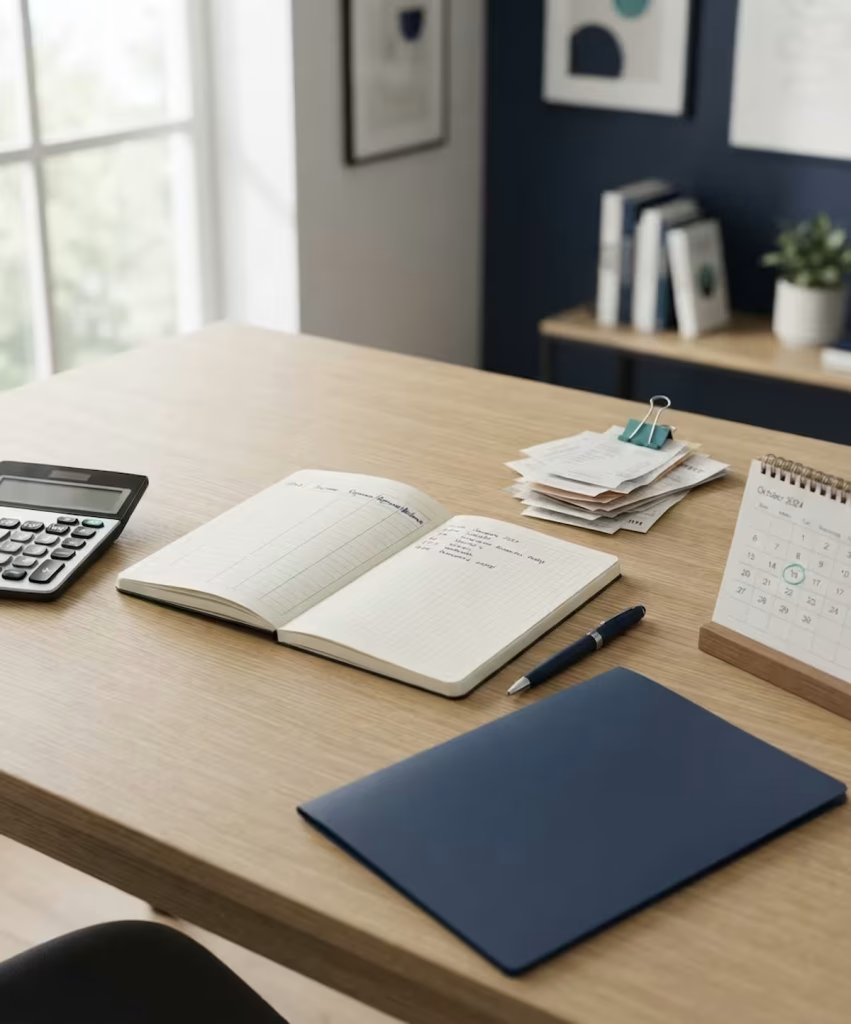
You can be employed and run a business at the same time, as GOV.UK explains. Check your employment contract and any relevant employer policies for conflicts, confidentiality obligations and outside-work requirements, and keep your employer’s time and resources separate.
For UK tax, the £1,000 trading allowance relates to annual gross trading income across relevant activities, not £1,000 profit per platform.
Exceptions apply; if gross trading income exceeds £1,000, HMRC says you must tell it and register for Self Assessment. Keep records from the start and check the current HMRC guidance, including whether expenses or the allowance apply to your circumstances.
Treat money received as business income to record, not automatically as money available to spend. Your costs, tax position and other obligations determine what you can keep.
This article provides general information, not personalised tax or legal advice. Platform terms and personal circumstances differ, so check relevant requirements before committing money.
Test your website speed
Check your PageSpeed score, Core Web Vitals and the improvements that could make your website faster.
10. Final thoughts: choose one small test
You do not need seven income streams to get started. You need one manageable offer, a clear audience and enough consistency to find out whether it works.
For an early test of paid demand, I would prioritise a focused freelance service, listing support or a small content package. For a reusable product, consider a digital download; for a longer-term content project, consider a niche affiliate website.
Reselling and print on demand suit people comfortable managing products, margins and customer expectations.
Pick one option, set a spending limit and book your first work session. The goal for your first month is evidence: something useful created, shown to real potential buyers and improved using what you learn.

Seller Equipment You May Need

4×6 Thermal Label Printers

Tape Guns & Parcel Tape

Padded Envelopes
Affiliate and AI disclosure: This article may contain affiliate links, which means I may earn a commission from qualifying purchases at no additional cost to you. AI tools may have assisted with research, drafting, editing or illustrations; all content is reviewed before publication. Read the full Affiliate and AI Disclosure.